
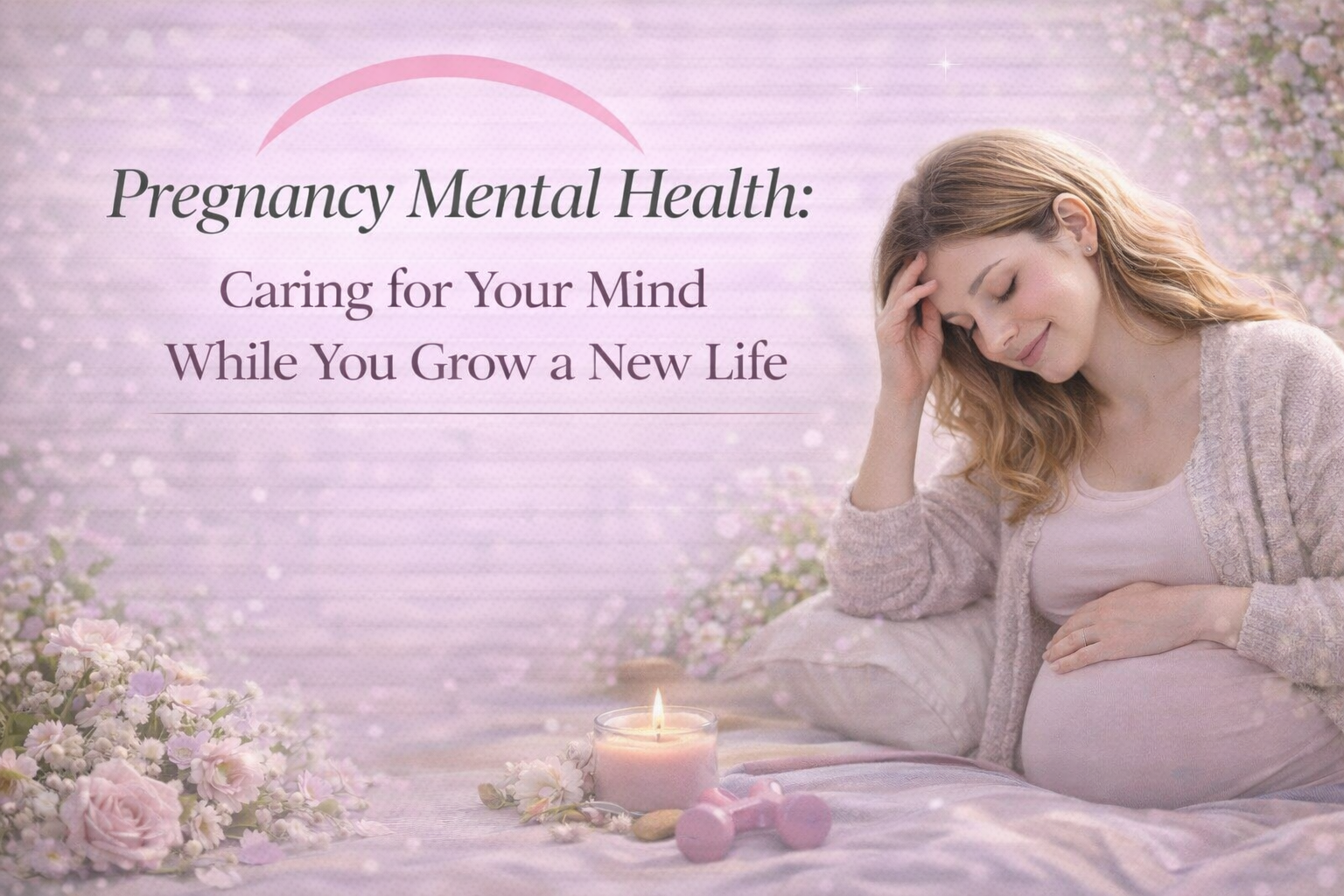
Pregnancy is often portrayed as a glowing, joyful time filled with excitement and love. And sometimes, it is exactly that.
But sometimes it’s also overwhelming, lonely, confusing, and emotionally exhausting.
Both experiences — and everything in between — are normal.
Pregnancy doesn’t just change your body. It reshapes your identity, emotions, relationships, and sense of control. Taking care of your mental health during pregnancy is not optional or selfish — it is a vital part of caring for yourself and your baby.
Why Mental Health Matters During Pregnancy
Your emotional well-being is deeply connected to your physical health. Stress, anxiety, and untreated emotional struggles don’t mean you’re “weak” — they mean your nervous system is under pressure.
Good mental health support during pregnancy can:
- Improve sleep and energy levels
- Strengthen emotional bonding
- Reduce pregnancy and birth anxiety
- Support healthier coping mechanisms
- Lower the risk of postpartum depression
Mental health care is prenatal care.
Emotional Changes During Pregnancy: What’s Normal?
Pregnancy hormones are powerful, but hormones are only part of the story. Big life transitions bring big emotions.
Common emotional experiences include:
- Mood swings
- Increased sensitivity or tearfulness
- Anxiety about the baby’s health
- Fear of childbirth
- Changes in self-image
- Feeling disconnected or numb
You don’t need to feel happy all the time to be a loving parent. Emotions are information — not a report card.
Anxiety During Pregnancy

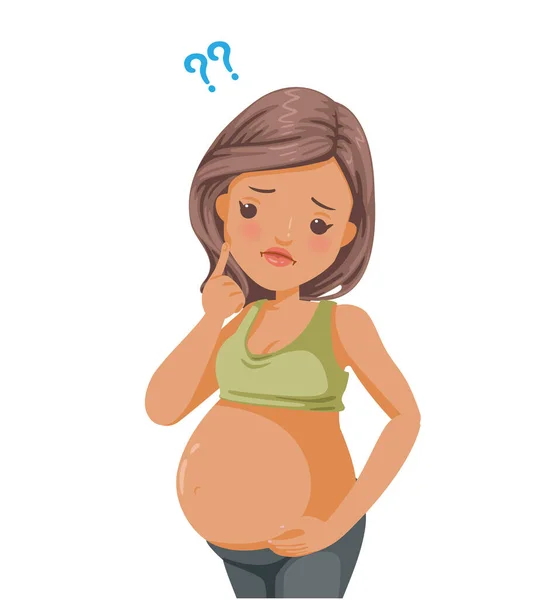

Pregnancy anxiety often hides behind “I’m just being careful” or “I can’t stop thinking.”
It may look like:
- Constant worry about miscarriage or complications
- Obsessive Googling of symptoms
- Fear of doing something “wrong”
- Difficulty relaxing
- Racing thoughts at night
Some concern is normal. But when anxiety becomes constant, exhausting, or paralyzing, it deserves care — not silence.
Depression During Pregnancy: The Quiet Reality


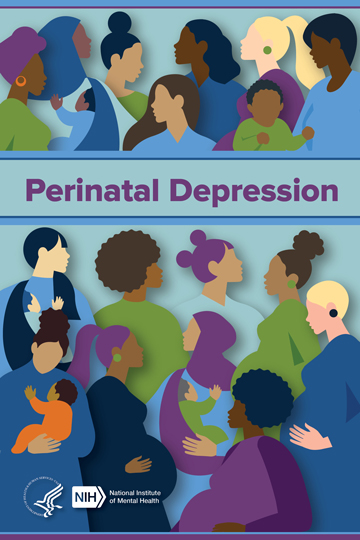
Depression during pregnancy is more common than most people realize — and it often goes unnoticed because sadness isn’t “expected” during pregnancy.
Possible signs include:
- Persistent sadness or numbness
- Loss of interest in things you used to enjoy
- Feelings of guilt or worthlessness
- Low motivation
- Changes in sleep or appetite
Depression is not a personal failure or a sign you won’t love your baby. It’s a health condition — and it’s treatable.
The Pressure to “Enjoy Every Moment”
One of the hardest things about pregnancy mental health is the pressure to be grateful.
When you’re told:
- “This should be the happiest time of your life”
- “Other people would kill to be pregnant”
- “Just wait, it gets harder”
…it can make you feel isolated or ashamed of your struggles.
You can feel grateful and overwhelmed.
You can love your baby and miss your old life.
You can want this pregnancy and struggle through it.
These feelings can coexist.
Body Image and Identity Changes


Pregnancy changes how your body looks, feels, and moves — often faster than your mind can keep up.
Common challenges:
- Feeling disconnected from your body
- Grief over physical changes
- Loss of control
- Fear of postpartum recovery
- Feeling unseen or reduced to “just pregnant”
Your body is doing something extraordinary, but that doesn’t erase complex feelings about change. Compassion matters more than confidence.
Simple Ways to Support Mental Health During Pregnancy
Mental health support doesn’t always start with big interventions. Small, consistent practices make a real difference.
Helpful habits include:
- Gentle daily movement or walks
- Time away from pregnancy-related content
- Honest conversations with safe people
- Journaling thoughts without judgment
- Mindful breathing or grounding exercises
- Adequate rest — emotional exhaustion is real
You don’t need to “fix” your feelings. You need space to process them.
Asking for Help Is a Strength
One of the bravest things you can do during pregnancy is to say:
“I’m not okay — and I need support.”
Support might look like:
- Talking to your doctor or midwife
- Seeing a therapist
- Opening up to a partner or trusted friend
- Joining a prenatal support group
Mental health care during pregnancy does not make you a bad parent. It makes you a prepared one.
When to Seek Professional Support
Please reach out to a professional if you experience:
- Persistent sadness or anxiety lasting weeks
- Panic attacks
- Intrusive or distressing thoughts
- Feeling disconnected from reality
- Thoughts of harming yourself
You deserve care long before things reach a breaking point.
Preparing Emotionally for Parenthood
Pregnancy is not just about preparing a nursery — it’s about preparing your inner world.
Emotional preparation includes:
- Letting go of unrealistic expectations
- Learning self-compassion
- Accepting uncertainty
- Allowing support
- Trusting that growth takes time
There is no perfect emotional state to enter parenthood. There is only honesty, learning, and support.
Final Thoughts: You Are Not Alone
Pregnancy mental health isn’t about being calm, positive, or grateful all the time. It’s about being real, supported, and heard.
If pregnancy feels heavy right now, it doesn’t mean you’re doing it wrong.
If you’re struggling, it doesn’t define your future as a parent.
If you need help, you deserve it — without explanation or guilt.
Your mind matters just as much as your body.
And taking care of it is one of the strongest things you can do for yourself and your baby. 🤍