Crochet has become one of the most beloved handmade crafts in the world. Whether you’re creating cozy blankets, stylish clothing, adorable amigurumi, or thoughtful handmade gifts, every successful project begins with one essential tool: a well-designed crochet pattern.
A crochet pattern is much more than a list of instructions. It serves as your roadmap, guiding you through every stitch, increase, decrease, and finishing detail to help you create beautiful handmade pieces with confidence.
Whether you’re picking up a crochet hook for the first time or you’ve been crocheting for years, understanding how crochet patterns work will dramatically improve your skills and make every project more enjoyable.
In this comprehensive guide, you’ll learn everything about crochet patterns—from reading abbreviations and choosing the right design to avoiding common mistakes and finding inspiration for your next masterpiece.
What Is a Crochet Pattern?
A crochet pattern is a detailed set of instructions that explains exactly how to create a crochet project.
Instead of guessing where stitches should go, a pattern tells you:
- Which yarn to use
- Recommended crochet hook size
- Gauge information
- Stitch abbreviations
- Step-by-step instructions
- Assembly directions
- Finishing techniques
Think of a crochet pattern as the recipe for a handmade project. Just as baking requires precise measurements, crochet relies on accurate instructions to achieve consistent results.
Modern crochet patterns often include:
- Written instructions
- High-quality photographs
- Stitch diagrams
- Helpful tips
- Video tutorial links
- Printable PDF format
These features make it easier than ever for crocheters of every skill level to create professional-looking projects.
Why Crochet Patterns Matter
While experienced crocheters sometimes create projects freehand, most makers rely on patterns because they save time and eliminate guesswork.
A quality crochet pattern offers many advantages.
Consistent Results
Patterns are carefully tested to ensure the finished project looks exactly as intended.
Learn New Techniques
Every project introduces new stitches, shaping methods, and construction techniques that help expand your crochet skills.
Save Time
Instead of experimenting repeatedly, you can simply follow proven instructions.
Build Confidence
Beginners especially benefit from structured guidance that reduces frustration.
Professional Finish
Patterns help create garments, accessories, and home décor with accurate sizing and polished details.
Different Types of Crochet Patterns
One of the best things about crochet is the incredible variety of projects available.
Clothing Patterns
Fashionable handmade clothing continues to grow in popularity.
Popular clothing projects include:
- Summer tops
- Cardigans
- Sweaters
- Dresses
- Shawls
- Ponchos
- Crop tops
- Vests
- Skirts
These projects often include multiple sizes and customization options.
Amigurumi Patterns
Amigurumi refers to crocheted stuffed animals and toys.
Popular examples include:
- Teddy bears
- Rabbits
- Cats
- Dogs
- Dinosaurs
- Dragons
- Food toys
- Dolls
- Seasonal decorations
These projects are ideal for practicing shaping techniques.
Home Décor
Crochet adds warmth and personality to every room.
Popular home projects include:
- Blankets
- Pillow covers
- Table runners
- Plant hangers
- Storage baskets
- Wall hangings
- Rugs
- Coasters
- Kitchen accessories
Accessories
Smaller accessories are perfect for quick weekend projects.
Examples include:
- Hats
- Scarves
- Gloves
- Bags
- Tote bags
- Wallets
- Headbands
- Hair accessories
- Phone sleeves
Understanding Crochet Pattern Skill Levels
Most patterns indicate their difficulty level.
Beginner
Perfect for first-time crocheters.
Usually includes:
- Basic stitches
- Minimal shaping
- Clear instructions
- Simple construction
Easy
Suitable for those comfortable with basic stitches.
May introduce:
- Color changes
- Simple increases
- Basic decreases
- Working in rounds
Intermediate
Requires experience with multiple techniques.
Often includes:
- Lace stitches
- Garment shaping
- Complex construction
- Detailed finishing
Advanced
Designed for experienced crocheters.
May feature:
- Intricate stitch combinations
- Advanced shaping
- Detailed garments
- Large projects
Essential Crochet Pattern Abbreviations
Learning abbreviations makes reading patterns much easier.
Some common abbreviations include:
| Abbreviation | Meaning |
|---|---|
| ch | Chain |
| sc | Single Crochet |
| hdc | Half Double Crochet |
| dc | Double Crochet |
| tr | Treble Crochet |
| sl st | Slip Stitch |
| inc | Increase |
| dec | Decrease |
| rep | Repeat |
| st | Stitch |
| rnd | Round |
Most modern patterns include an abbreviation guide at the beginning.
Choosing the Right Yarn
The yarn you choose greatly affects the finished project.
Consider:
- Fiber content
- Weight
- Texture
- Stretch
- Durability
- Washability
Natural fibers such as cotton provide crisp stitch definition, while wool offers warmth and elasticity.
Acrylic yarn remains one of the most beginner-friendly and affordable options.
Selecting the Correct Crochet Hook
Patterns specify the recommended hook size for a reason.
Using a hook that’s too small creates stiff fabric.
A hook that’s too large produces loose stitches and changes the project’s size.
Always check:
- Hook material
- Grip comfort
- Pattern recommendation
- Personal tension
Why Gauge Is Important
Many beginners skip the gauge swatch.
This is one of the biggest mistakes in crochet.
Gauge determines whether your finished project matches the designer’s intended size.
Especially for garments, even a small difference can dramatically affect the final fit.
Taking 15 minutes to make a gauge swatch can save hours of frustration later.
Reading a Crochet Pattern Step by Step
Before starting:
Read Everything
Don’t jump directly into Row 1.
Read the entire pattern first.
This helps identify:
- Special stitches
- Construction methods
- Assembly steps
- Required materials
Gather Supplies
Prepare:
- Yarn
- Hook
- Stitch markers
- Scissors
- Yarn needle
- Measuring tape
Having everything nearby makes crocheting more enjoyable.
Understand Stitch Counts
Every row usually ends with a stitch count.
For example:
Row 8: 42 stitches
Always count your stitches before moving on.
This prevents mistakes from multiplying later.
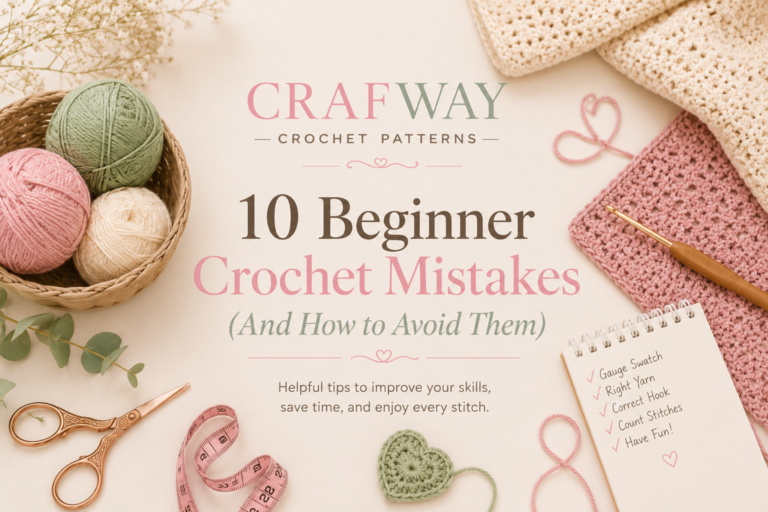
Common Beginner Mistakes
Even experienced crocheters occasionally make errors.
The most common include:
Skipping Stitches
Missing one stitch can affect the entire project.
Ignoring Gauge
This often results in garments that don’t fit.
Using Different Yarn
Substituting yarn without understanding weight differences changes the finished size.
Not Counting Stitches
Regular counting saves hours of fixing mistakes.
Rushing
Crochet should be relaxing.
Take your time and enjoy the process.
Digital Crochet Patterns vs Printed Books
Today, most crocheters prefer digital PDF patterns.
Benefits include:
- Instant download
- Printable anytime
- Mobile-friendly
- Easy storage
- Lifetime access
- Environmentally friendly
Printed books still have their place but often contain fewer patterns and cost significantly more.
Digital patterns offer convenience and flexibility for modern makers.
Tips for Organizing Your Crochet Pattern Collection
As your collection grows, organization becomes important.
Consider:
- Creating folders by category
- Naming files clearly
- Backing up purchases to cloud storage
- Printing favorites
- Keeping notes on completed projects
A well-organized library makes it easier to revisit favorite designs.
Customizing Crochet Patterns
One of crochet’s greatest strengths is customization.
You can personalize projects by:
- Changing colors
- Using different yarn textures
- Adjusting sleeve length
- Adding pockets
- Creating larger sizes
- Combining stitch patterns
- Mixing multiple designs
After gaining experience, you’ll discover endless creative possibilities.
Benefits of Following Professionally Designed Crochet Patterns
Professionally tested patterns provide significant advantages.
They are typically:
- Carefully written
- Technically accurate
- Tested by multiple crocheters
- Easy to follow
- Clearly photographed
- Updated when necessary
This ensures a smoother crafting experience and better results.
Why Crochet Continues to Grow in Popularity
Crochet has experienced a remarkable resurgence in recent years.
People enjoy it because it offers:
- Stress relief
- Creative expression
- Handmade gifts
- Sustainable fashion
- Home decoration
- A relaxing hobby
- Portable crafting
- Endless learning opportunities
Social media has also inspired millions to discover modern crochet styles and connect with makers around the world.
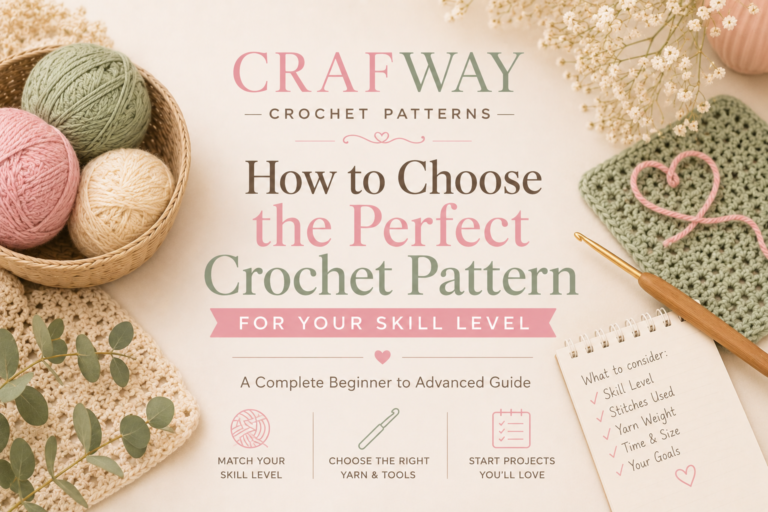
Finding the Perfect Crochet Pattern
When choosing your next project, consider:
- Your skill level
- Available time
- Yarn budget
- Desired finished item
- Seasonal needs
- Personal style
Starting with projects that match your current experience helps build confidence and keeps crochet enjoyable.
Final Thoughts
Crochet patterns are the foundation of every successful handmade project. Whether you’re creating your first scarf, an elegant summer top, a cozy blanket, or a charming amigurumi toy, a well-written pattern provides the guidance you need to crochet with confidence.
By understanding how patterns work, choosing quality materials, paying attention to gauge, and practicing new techniques, you’ll steadily improve your skills while creating beautiful handmade pieces you’ll treasure for years to come.
At CRAFWAY, we believe every stitch tells a story. Our carefully designed crochet patterns are created to inspire creativity, support makers of every skill level, and make every project an enjoyable experience. Explore our growing collection of modern PDF crochet patterns and start your next handmade adventure today.